 Veröffentlicht von
 The Neue Pinakothek in Munich is one of Europe’s most important museums for 19th-century art. While the Alte Pinakothek focuses on Old Masters and the Pinakothek der Moderne presents modern and contemporary works, the Neue Pinakothek bridges the gap between classical art and modernism.
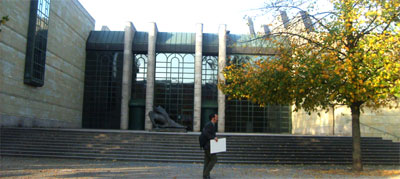
If you are interested in Romanticism, Impressionism, Realism or early Modern art, this museum is essential. It tells the story of how European painting changed during the 19th century — a period of revolutions, industrialization, urban growth and dramatic artistic innovation.
Located in Munich’s famous Kunstareal (museum district), the Neue Pinakothek is part of one of the most impressive cultural clusters in Germany.
Art & Museum Tours in Munich
If you want to better understand 19th-century art movements and their historical background, guided museum tours can make your visit much more rewarding.
History of the Neue Pinakothek
The Neue Pinakothek was originally founded by King Ludwig I of Bavaria in 1853. Ludwig I was passionate about art and wanted to expand Munich’s reputation as a cultural capital. While the Alte Pinakothek housed earlier masterpieces, the Neue Pinakothek was dedicated to contemporary art of its time.
This was a revolutionary concept: instead of collecting only old and established masters, Ludwig I focused on living artists and recent works. That made the Neue Pinakothek one of the first museums in Europe devoted specifically to modern art of its era.
The original building was heavily damaged during World War II. A modern replacement structure opened in 1981. The museum is currently undergoing long-term renovation, and parts of the collection are sometimes displayed in other Munich museums. Before your visit, check current exhibition locations and updates.
What Makes the Neue Pinakothek Special?
The 19th century was a turning point in European art. Artists began to question tradition, experiment with light and color, and depict modern life instead of religious or mythological themes.
At the Neue Pinakothek, you can trace this transformation step by step:
- From Romantic landscapes
- To Realism and social themes
- To Impressionism and changing light
- To early modern and symbolic styles
The museum provides an ideal overview of this fascinating century.
Main Art Movements Represented
Romanticism
Romantic painters focused on emotion, nature and dramatic landscapes. One of the most famous artists in this category is Caspar David Friedrich.
Romantic art often depicts:
- Stormy skies
- Ruins and symbolic landscapes
- Lonely figures in vast nature
These paintings are often atmospheric and contemplative.
Realism
Realist artists moved away from idealized themes and focused on everyday life. Farmers, workers and urban scenes became important subjects.
This reflects the industrial and social changes of the 19th century.
Impressionism
The Neue Pinakothek is particularly known for its strong Impressionist collection. Artists such as:
- Claude Monet
- Édouard Manet
- Edgar Degas
experimented with light, color and movement. Instead of precise details, they painted impressions of a moment.
This style marked the beginning of modern art.
Symbolism & Early Modernism
Later 19th-century works move toward symbolism and early modern expression. These paintings often include dreamlike or mythological elements and more expressive brushstrokes.
Highlights You Should Not Miss
If you have limited time, focus on the following areas:
- Major Romantic landscapes
- French Impressionist works
- Key German 19th-century painters
The museum is large, so it’s better to choose selected highlights than to rush through every room.
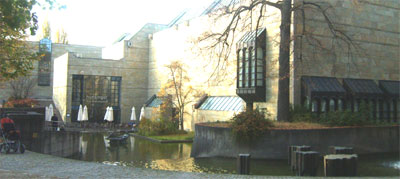
The Building and Architecture
The modern museum building opened in 1981. Its architecture is functional and focused on the artworks. Large rooms with neutral colors and controlled lighting help visitors concentrate on the paintings.
Unlike the dramatic modern architecture of the Pinakothek der Moderne, the Neue Pinakothek building is understated and practical.
How Long Should You Plan?
- 1.5 hours: Impressionist highlights only
- 2–3 hours: Full overview of major movements
- Full day: Combine with Alte Pinakothek and Lenbachhaus
Art lovers often spend several hours here.
Best Time to Visit
- Weekdays are usually quieter.
- Morning visits offer fewer crowds.
- Rainy days are ideal for museum trips.
How to Get There
The Neue Pinakothek is centrally located in the Kunstareal district.
- U-Bahn: U2 to Königsplatz
- Tram and bus connections nearby
Helpful travel pages:
Hotels Near Munich’s Museum District
If you plan to visit multiple museums, staying near the Kunstareal makes exploring easy and convenient.
See also: Good hotels in Munich
Combine the Neue Pinakothek with Other Attractions
Museum Day Strategy
Many visitors combine:
- Alte Pinakothek (Old Masters)
- Neue Pinakothek (19th century)
- Pinakothek der Moderne (20th/21st century)
This creates a chronological journey through European art history.
Great bike city tour through Munich: The city center of Munich is quite large. It’s not easy to see everything on foot in one day. A bike tour is ideal. On this tour (3 to 3.5 hours) the bike comes from the city tour provider. Well done tour through Munich with sights in the center, English Garden etc.: More information and booking
Relax After Art
After several hours of paintings, relax in the nearby English Garden or explore the central city around Marienplatz.
Pros and Cons
Pros
- Outstanding Impressionist collection
- Clear overview of 19th-century art
- Central location
- Part of major museum complex
Cons
- Focused on 19th century only
- Large size may feel overwhelming
Is the Neue Pinakothek Worth Visiting?
Yes, especially if you enjoy Romanticism, Realism and Impressionism. It completes the art-historical picture started in the Alte Pinakothek and continued in the Pinakothek der Moderne.
If you are in Munich for several days and appreciate art, the Neue Pinakothek is highly recommended.
More Munich Art & Culture Guides
More great art museums:
The Uffizi Gallery in Florence: Click here
The Prado in Madrid: Click here
The Peggy Guggenheim Collection in Venice: Click here